
 EN
EN
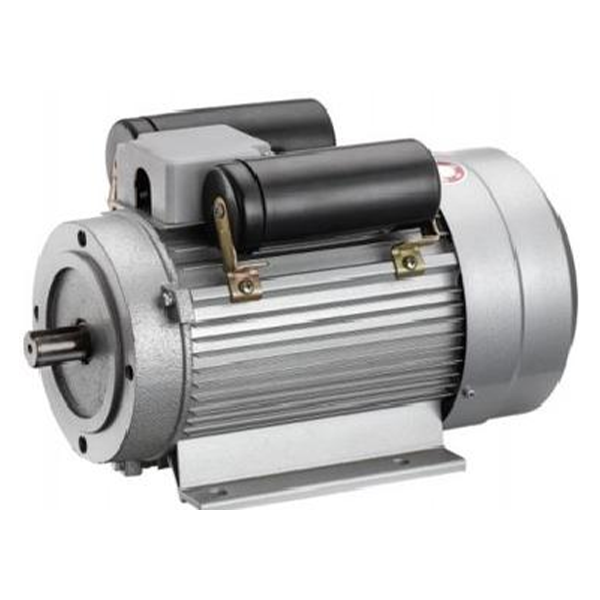
Diagnose Common Pump Motor Failures by Root Cause
Vibration, Noise, and Abnormal Power Draw: Early Indicators of Pump Motor Stress
Excessive vibration, unusual noise, and rising power draw are among the first signs that a pump motor is under undue stress. Mechanical issues—such as misaligned shafts, worn bearings, or loose mounting bolts—typically produce low-frequency vibration and a rumbling sound. Electrical problems like voltage imbalance or deteriorating windings often manifest as a higher-pitched hum and increased current draw. Operators should monitor these indicators during routine rounds; even a 10% spike in power draw can signal developing faults. Handheld vibration analyzers or permanently installed sensors help establish baseline readings and detect deviations early. Ignoring these warnings allows minor issues to escalate into catastrophic failure, resulting in unplanned downtime and costly repairs. A simple log of vibration amplitude, noise characteristics, and amperage at startup and full load provides essential data for targeted root-cause analysis.
Motor Rotation Errors and Electrical Imbalance in Three-Phase Pump Motor Circuits
Incorrect rotation direction and phase-to-phase electrical imbalance are frequent contributors to three-phase pump motor failures. A pump running backward delivers little or no flow, forcing the motor to operate outside its design envelope and drawing excessive current. Meanwhile, voltage imbalances exceeding 1% cause uneven stator winding heating and reduce motor efficiency by up to 10%. Maintenance teams must verify rotation direction immediately after installation or any electrical work—using a phase rotation meter ensures correct phasing. For ongoing health, periodic measurement of line voltages and load currents across all three phases helps identify imbalances before they trigger thermal damage. Corrective actions include tightening connections, redistributing single-phase loads across the supply transformer, and replacing damaged cables. Incorporating these checks into a preventive schedule significantly extends motor life and avoids unexpected stoppages.
Cavitation, Throttling, and NPSHA Deficiency Leading to Pump Motor Overload
Cavitation occurs when net positive suction head available (NPSHA) falls below the pump’s required NPSHR. This vaporizes liquid at the impeller eye, causing implosions that erode internal surfaces and generate a characteristic crackling or gravel-like noise. The resulting flow instability forces the motor to work harder, increasing current draw and often tripping overload protection. Similarly, excessive discharge throttling shifts the pump’s operating point left on its performance curve, raising radial loads and overheating the motor. Both conditions waste energy and accelerate wear on bearings, seals, and impellers. Prevention starts with verifying site-specific NPSHA during commissioning, maintaining clean suction strainers, and avoiding over-throttling. Real-time pressure gauges on suction and discharge lines provide immediate feedback. When cavitation is detected, solutions include raising the supply tank level, optimizing suction piping (shorter runs, larger diameter), or adding a booster pump. Promptly addressing NPSHA deficiencies prevents motor overload and protects against premature failure.
Implement Preventive Maintenance to Maximize Pump Motor Uptime and Lifespan
Critical Lubrication, Alignment, and Insulation Resistance Checks for Pump Motors
Regular lubrication, alignment verification, and insulation resistance testing form the cornerstone of effective pump motor preventive maintenance. Proper lubrication minimizes friction and heat buildup, directly extending bearing service life and preventing avoidable failures. Even minor shaft misalignment—measured in thousandths of an inch—accelerates wear on couplings and seals, increasing vibration and energy loss. Insulation resistance testing detects early-stage moisture ingress or contamination, flagging winding degradation before catastrophic breakdown occurs. Neglecting these checks invites escalation: emergency repairs cost four to five times more than planned interventions—not including lost production. A documented, repeatable inspection routine for these three areas ensures consistent reliability, predictable performance, and measurable operational savings.
Life-Cycle-Based Maintenance Schedules That Reduce Total Cost of Ownership
Shifting from rigid time-based intervals to life-cycle-based maintenance reduces total cost of ownership for pump motors. Rather than servicing equipment on a calendar schedule, condition monitoring data—including vibration trends, thermal imaging, oil analysis, and insulation resistance decay—dictates intervention timing. This approach extends overhaul intervals while preventing unexpected failures. A motor serviced annually “by default” may undergo unnecessary part replacements, whereas condition-based scheduling targets only components showing measurable degradation. Over its service life, this strategy cuts spare parts inventory, lowers labor costs, minimizes downtime, and transforms maintenance from a reactive expense into a strategic ROI driver.
Boost Pump Motor Efficiency and ROI Through Smart System Optimization
System-Level Tuning to Eliminate Wasted Energy in Pump Motor Operation
System-level tuning addresses inefficiencies embedded across the entire pumping system—not just the motor. Research from the U.S. Department of Energy shows up to 75% energy savings are achievable through holistic optimization. Key strategies include:
- Demand Matching: Aligning pump output precisely with actual process requirements eliminates chronic over-pressurization and excess flow. Optimized control curves based on real-world demand significantly reduce power consumption.
- Pipework Optimization: Reducing pressure losses via appropriate pipe sizing, minimizing elbows, and removing unnecessary restrictions lowers the hydraulic workload imposed on the motor—translating even small friction reductions into measurable energy savings.
- Intelligent Control: Sensors and adaptive algorithms enable predictive adjustments for variables like fluid temperature or viscosity, ensuring the motor operates only at the intensity required. Hydraulic Institute studies confirm an average net energy reduction of 20.1% is attainable with such integrated control.
Variable Frequency Drives (VFDs) for Precise Pump Motor Speed and Load Matching
Variable frequency drives (VFDs) transform pump motor control by enabling precise speed modulation to match real-time system demand. Unlike constant-speed motors that rely on inefficient throttling, VFDs adjust motor RPM electronically—cutting energy use by 30–50% in variable-load applications. Core benefits include:
- Elimination of Throttling Losses: By modulating speed instead of restricting flow, VFDs remove the energy penalty of control valves and directly reduce hydraulic and electrical loading.
- Soft Starting: Gradual ramp-up minimizes inrush current and mechanical shock, reducing stress on windings, bearings, and couplings—and extending overall motor life.
- Real-Time Optimization: Continuous sensor feedback allows VFDs to dynamically adapt speed to changing conditions, sustaining peak efficiency and eliminating wasted energy throughout the operational cycle.
FAQ Section
What are the early signs of pump motor failure?
Early signs include excessive vibration, unusual noise, and abnormal power draw, often caused by mechanical or electrical issues.
How can phase imbalance impact motor efficiency?
Phase imbalance exceeding 1% causes uneven heating in stator windings, reducing motor efficiency by up to 10%, and can lead to thermal damage.
What is cavitation, and how does it affect the pump motor?
Cavitation occurs when NPSHA falls below NPSHR, causing liquid vaporization and implosions that lead to erosion and increased motor workload.
How does preventive maintenance improve motor lifespan?
Regular lubrication, alignment checks, and insulation resistance testing detect wear or damage early, reducing repair costs and minimizing downtime.
What are the benefits of variable frequency drives (VFDs)?
VFDs enable precise speed control for pump motors, eliminate throttling losses, reduce energy consumption, and extend motor life through soft startup mechanisms.