
 EN
EN
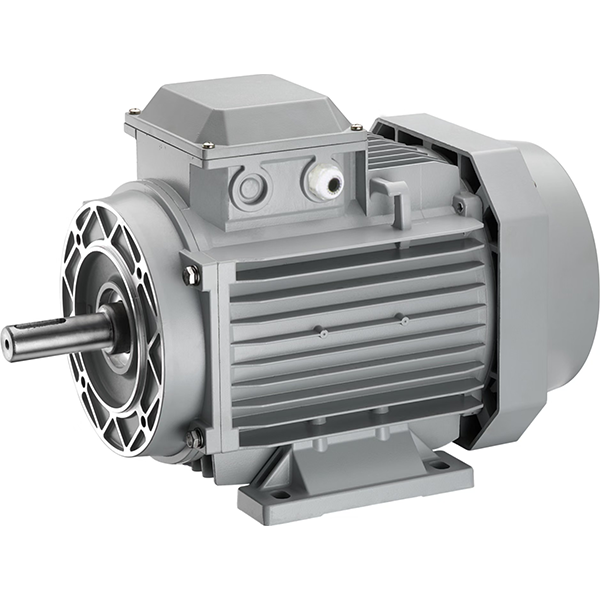
Thermal Management: The Primary Determinant of High Torque Industrial Motor Lifespan
Active and Passive Cooling Strategies for Sustained High Torque Industrial Motor Operation
Effective thermal regulation combines passive and active cooling to prevent performance degradation in high torque industrial motors. Passive solutions—such as optimized housing designs with integrated heat sinks and thermally conductive materials—dissipate heat via natural convection, reducing hotspots by 30% compared to standard enclosures, per thermal imaging studies. Active systems augment this with forced-air ventilation or liquid cooling loops, maintaining operational temperatures below critical thresholds even during peak loads. When ambient temperatures exceed 35°C (95°F), hybrid cooling extends motor lifespan by 40% by preventing insulation breakdown and bearing lubricant failure. Strategic airflow channeling around stator windings and rotor assemblies ensures consistent torque delivery without thermal throttling.
Real-Time Thermal Monitoring and Overheating Mitigation Using IoT-Enabled Sensors
Embedded IoT sensors enable continuous, granular temperature tracking across motor components—mapping thermal gradients via distributed thermocouples and infrared detectors. Data is transmitted to central control systems every 500 milliseconds, where algorithms cross-reference readings against historical failure patterns to trigger automated responses—such as reducing electrical load by 15% or activating auxiliary cooling—before irreversible damage occurs. Facilities using such systems report 57% fewer unscheduled downtimes (Ponemon 2023), primarily by preventing insulation delamination and magnet demagnetization. This real-time feedback loop transforms thermal management from reactive maintenance into proactive preservation of motor integrity.
Predictive Maintenance: Data-Driven Strategies to Extend High Torque Industrial Motor Service Life
Vibration Analysis and Motor Current Signature Analysis (MCSA) for Early Fault Detection
Vibration analysis and Motor Current Signature Analysis (MCSA) are foundational for early fault detection in high torque industrial motors. By monitoring mechanical vibration patterns and electrical current signatures, operators identify incipient issues—including bearing wear, rotor imbalances, and winding defects—before they escalate. Sensors capture amplitude, frequency spectra, and phase angles, feeding AI-driven analytics platforms that correlate deviations with specific failure modes: for instance, excess vibration at 2× line frequency signals misalignment, while current harmonics indicate stator winding faults. These non-invasive techniques reduce downtime by 45% compared to reactive maintenance (Ponemon 2023) and extend service life by preventing cascading damage.
Maintenance Interval Optimization Based on Load Profile and Duty Cycle Analytics
Time-based maintenance schedules often misalign with actual motor stress—over-servicing underutilized units while under-serving high-demand assets. Modern strategies instead use load profile and duty cycle analytics to calibrate service intervals precisely. IoT sensors track peak torque demands, transient overloads, thermal cycling frequency, cooling recovery times, start-stop cycles, and partial-load durations. Machine learning models process this data to forecast stress accumulation and recommend maintenance windows aligned with empirical degradation trends. For example, motors in continuous high-inertia applications may require lubrication every 500 hours, whereas intermittent-use units can safely operate up to 1,200 hours between services. This approach reduces unnecessary maintenance costs by 32% and eliminates 78% of unexpected failures (Deloitte 2024).
Robust Design and Material Engineering for High Torque Industrial Motor Reliability
Low-Loss Electromagnetic Design and Friction Reduction Techniques
Advanced electromagnetic design minimizes core losses through optimized flux paths and suppressed eddy currents. Soft magnetic alloys—such as high-grade silicon steel laminations—reduce hysteresis losses by up to 20% versus conventional materials (EPRI 2023). Complementing this, friction-reduction techniques include precision-ground bearings with application-specific lubricants, aerodynamic rotor geometries that cut windage losses, and surface treatments like diamond-like carbon (DLC) coatings. Together, these innovations improve motor efficiency by 3–5% while lowering thermal stress on critical components.
High-Temperature Insulation, Bearing Alloys, and Enclosure Materials for Extreme Environments
Material selection is decisive when high torque industrial motors operate above 150°C. Class H insulation systems—rated for continuous operation at 180°C—double service life in foundry environments relative to standard Class B systems. Advanced bearing solutions include:
| Material Type | Temperature Range | Application Benefit |
|---|---|---|
| Hybrid Ceramic | -40°C to 250°C | 50% longer lubrication intervals |
| Nickel-Based Superalloys | Up to 500°C | Corrosion resistance in chemical plants |
| Polymer-Composite Enclosures | 120°C to 200°C | 40% weight reduction vs. steel |
These engineered materials mitigate insulation breakdown and mechanical degradation in extreme settings like mining, metal processing, and petrochemical facilities.
Operational Best Practices to Maximize High Torque Industrial Motor Longevity
Proper operational discipline directly governs the longevity of high torque industrial motors. Consistent adherence to evidence-based practices reduces wear, prevents premature failure, and sustains peak performance:
- Manage Load Profiles: Avoid sudden torque spikes and sustained overloads exceeding rated capacity. Per NEMA (2023), motors operating above 115% load degrade thermally at three times the rate of those within design limits.
- Maintain Lubrication Integrity: Follow OEM-recommended schedules using high-temperature, oxidation-resistant greases. Under-lubrication accounts for 45% of bearing failures; over-lubrication increases friction losses by up to 15%.
- Monitor Vibration Levels: Establish baseline vibration readings and trend deviations against ISO 10816-3 thresholds—exceeding these levels typically precedes bearing or alignment failure.
- Control Operating Environment: Use IP-rated enclosures to limit dust ingress and maintain ambient temperatures below 40°C (104°F). Dust contamination accelerates insulation breakdown by 70% in high-torque applications.
Implementing these protocols extends service intervals by 20–30% and improves energy efficiency without requiring hardware upgrades.
FAQs
What is the role of thermal management in high torque industrial motors?
Thermal management prevents overheating, ensuring consistent performance and extending motor lifespan by reducing risks such as insulation breakdown and bearing lubricant failure.
How do IoT-enabled sensors enhance motor performance?
IoT-enabled sensors enable real-time monitoring of temperature and other parameters, providing early warning signals to prevent failures and minimize downtime.
What are the benefits of using advanced electromagnetic designs in industrial motors?
Advanced electromagnetic designs reduce core losses and thermal stress, improving motor efficiency and reliability.
Why is material selection crucial for extreme environments?
Engineered materials, such as Class H insulation, hybrid ceramic bearings, and nickel-based superalloys, optimize durability and performance in high-temperature or corrosive conditions.
How can predictive maintenance optimize motor service intervals?
Predictive maintenance aligns servicing with actual motor stress and usage patterns, reducing unnecessary costs and preventing unexpected failures.
Table of Contents
- Thermal Management: The Primary Determinant of High Torque Industrial Motor Lifespan
- Predictive Maintenance: Data-Driven Strategies to Extend High Torque Industrial Motor Service Life
- Robust Design and Material Engineering for High Torque Industrial Motor Reliability
- Operational Best Practices to Maximize High Torque Industrial Motor Longevity
- FAQs