
 EN
EN
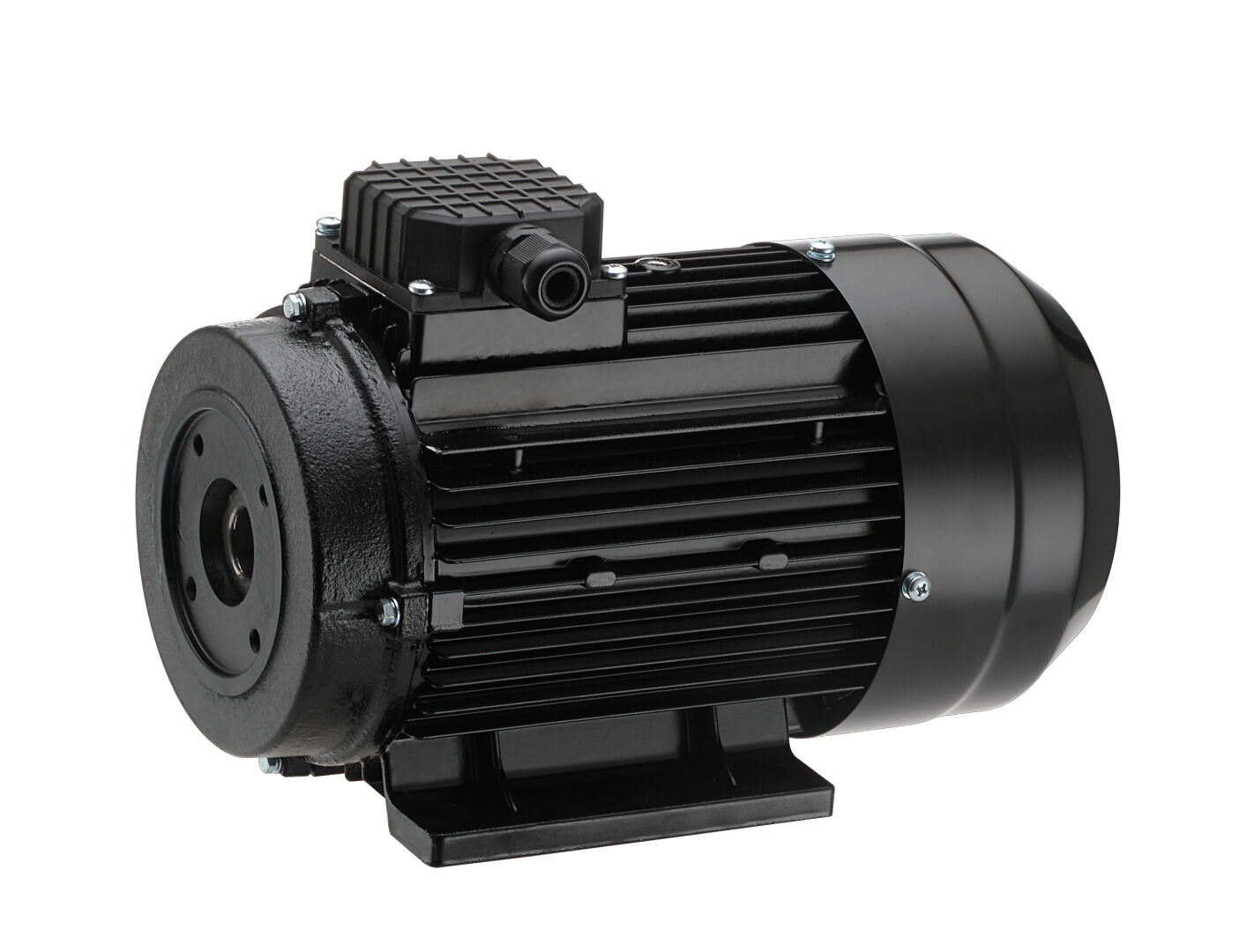
Why the Electric Motor for Air Compressor Dictates System-Wide Efficiency
How motor inefficiencies amplify energy waste across the compressed air system
Electric motors consume 60–80% of an air compressor’s lifetime energy expenditure. When motor inefficiencies occur—such as elevated winding temperatures or electromagnetic losses—they trigger a cascade of downstream waste. A 5% drop in motor efficiency forces compressors to run 18% longer to maintain pressure (U.S. Department of Energy, 2024), increasing heat generation and accelerating leakage. Since compressed air systems already lose 20–30% of output through leaks and pressure drops, inefficient motors compound these losses by extending runtime unnecessarily. Proactive motor maintenance mitigates this amplification effect, directly lowering system-wide kWh/m³ ratios.
Benchmarking electric motor for air compressor performance: kWh/m³ metrics and ISO 8573-9 alignment
Accurate benchmarking hinges on measuring energy consumption per cubic meter of compressed air (kWh/m³)—a direct indicator of how efficiently the electric motor converts electricity into usable work. ISO 8573-9:2021 provides standardized testing protocols that account for air purity, pressure dew point, and other operational variables. Contaminated air increases motor load by 8–11%, making standardization essential for fair comparison. Facilities using ISO-compliant audits identify up to 22% more energy-saving opportunities in motor-drive trains than non-standardized approaches. These benchmarks enable precise efficiency tracking and validate upgrade ROI through measurable kWh/m³ improvements.
Variable Speed Drive Integration: Maximizing ROI of the Electric Motor for Air Compressor
VSD vs. fixed-speed operation: quantified energy savings from ISO 11011-compliant audits
Switching from fixed-speed to variable speed drive (VSD) operation significantly enhances the energy performance of the electric motor for air compressor. ISO 11011-compliant audits consistently show VSDs reduce energy consumption by 35–70% compared to fixed-speed units running at full capacity regardless of demand. One manufacturing plant achieved $18,000 in annual savings after retrofitting its compressor with a VSD system—primarily by eliminating unloaded runtime and stabilizing system pressure. VSDs deliver strongest ROI when air demand fluctuates across shifts or seasons, often achieving payback within one to two years.
Critical trade-offs: harmonic distortion, motor derating, and when VSDs raise TCO despite efficiency claims
Despite their benefits, VSDs introduce three critical trade-offs. First, harmonic distortion can damage upstream equipment unless mitigated with line reactors or filters—adding capital cost. Second, motor derating occurs at low speeds due to impaired cooling, requiring oversizing and eroding efficiency gains. Third, in applications with steady or near-constant load, the VSD premium may never be recovered; total cost of ownership (TCO) can rise. In such cases, a fixed-speed motor paired with a properly sized receiver tank and optimized load/unload controls may offer better value. Decision-makers must assess load profiles holistically—and budget for harmonic mitigation and thermal management—to ensure VSD integration delivers net benefit.
Motor Selection & Sizing: Matching the Electric Motor for Air Compressor to Real Load Profiles
IE3/IE4 motor efficiency tiers in context: duty cycle, ambient conditions, and thermal management
IE3 and IE4 efficiency classes reduce electrical losses in electric motors for air compressors by 15–40% compared to legacy models—but real-world returns depend on application. Continuous high-load duty cycles fully leverage IE4 motors’ lower core losses. However, frequent start-stop cycles or sustained operation below 50% load diminish advantages due to stray load losses. Ambient temperatures above 40°C increase winding resistance, lowering efficiency by 2–4% per 10°C rise (NEMA MG-1). Effective thermal management is therefore essential: forced ventilation sustains efficiency in space-constrained installations, while liquid-cooled designs preserve performance in high-contamination or high-ambient environments.
Avoiding oversizing pitfalls: how mismatched electric motor for air compressor capacity drives 15–30% energy waste
Oversized electric motors operate predominantly at partial loads where efficiency collapses—NEMA data shows efficiency drops 10–15 percentage points at 50% load. This mismatch causes systemic waste:
- Core losses remain constant even at low load, inflating power consumption disproportionately
- Excessive cycling accelerates mechanical wear and increases startup energy demand
- Unnecessary reactive power degrades power factor and strains the electrical system
Precision sizing—guided by comprehensive air demand audits and run-time analysis—is the most effective countermeasure. For applications with >30% load variability, variable-torque motor designs further optimize efficiency across the operating range.
Operational Discipline: Optimizing Runtime, Controls, and Maintenance of the Electric Motor for Air Compressor
Disciplined operational practices transform the electric motor for air compressor from a cost center into a controlled asset. Runtime optimization begins with scheduling—shutting down idle compressors during low-demand periods eliminates unregistered electricity use. A 2025 study of industrial compressed air plants found that implementing a master control system with real-time data transmission reduced energy intensity from 0.192 kWh/m³ to 0.12 kWh/m³—yielding ~40% savings. These systems also monitor motor health, flagging oil degradation, temperature anomalies, or vibration trends before failures occur. Preventive maintenance completes the foundation: regular filter replacement, leak detection, and belt tension verification keep the motor operating within its designed efficiency band. Without this discipline, even an IE4-rated motor will drift into energy waste within months.
FAQ
Why is motor efficiency crucial for air compressors?
Motor efficiency is crucial because electric motors represent 60–80% of a compressor’s energy costs. Inefficient motors amplify downstream energy waste, resulting in longer runtimes and higher operating expenses.
What is the benefit of using Variable Speed Drives (VSDs) for air compressors?
VSDs help compressors adjust to fluctuating air demands, reducing energy consumption by 35–70%, preventing unloaded runtime, and stabilizing system pressure for optimal efficiency.
What are potential drawbacks of VSD integration?
VSDs can cause harmonic distortion, require motor oversizing for thermal management, and may increase TCO if used in steady-load applications. Proper assessment and mitigation strategies are necessary.
How does motor sizing affect energy efficiency?
Oversized motors waste energy as efficiency declines at partial loads. Precision sizing based on audits ensures optimal performance and avoids systemic inefficiencies like excessive startup energy demand.
Table of Contents
- Why the Electric Motor for Air Compressor Dictates System-Wide Efficiency
- Variable Speed Drive Integration: Maximizing ROI of the Electric Motor for Air Compressor
- Motor Selection & Sizing: Matching the Electric Motor for Air Compressor to Real Load Profiles
- Operational Discipline: Optimizing Runtime, Controls, and Maintenance of the Electric Motor for Air Compressor
- FAQ